

ONE MORE TOOL, THE NEW HCM TEST
- Chrysus Spirit Goldens

- Jun 3
- 2 min read
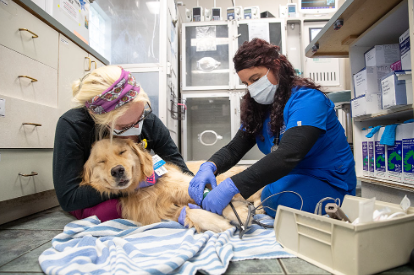
As most of us know now, a new genetic screen for Golden Retrievers is now available through the Veterinary Cardiac Genetics Laboratory at NC State. It targets a variant associated with hypertrophic cardiomyopathy (HCM). A disease in which the heart muscle becomes abnormally thick and the chambers fill less efficiently. The condition has been described for years in cats and it is reported in dogs as well, including our breed. One of the best things about this test is that it is a simple cheek swab.
So why test at all? The goal is not to label dogs. The goal is to learn one clear thing about one known marker and to use that information alongside the evaluations we already trust. A negative result tells us the variant that this assay target was not detected in that dog. A positive result tells us the variant is present and that the dog may be at increased risk. Neither result is a diagnosis. Heart disease is complex and involves many genes and environmental factors.
Work is ongoing to understand how often the variant leads to disease, at what ages it may appear, and what other modifiers may raise or lower risk. Breeders and owners who have lived through confirmed HCM cases describe a wide range of experiences. Some dogs are diagnosed incidentally during screening, others present with exercise intolerance or fainting, and some are managed medically. These stories have two truths. Early information helps families and veterinarians, and progress comes fastest when results are shared openly.
I ordered the kit, followed the instructions, collected two cheek swabs from my dog, and mailed them back the next day. The report arrived clearly marked and easy to read. My dog tested negative for the variant and I plan to see if the result can be filed with OFA.
A breed improves when we combine sound selection with honest record keeping and a steady hand. This test supports that approach. It offers a low burden way to learn something specific about a known risk while we continue to watch the research mature. It encourages conversations with our veterinarians and cardiologists. It supports transparency with buyers and with each other. Most importantly, it can be used without shrinking our gene pool. A positive result does not make a good dog worthless. It just means even more thoughtful mate selection so we can avoid producing at risk combinations while preserving traits that matter for the whole dog.
I plan to keep using the HCM test as part of a layered strategy that includes veterinary cardiac exams, OFA and CHIC participation, careful pedigree work, and attention to genetic diversity. One swab gives me one more piece of reliable information.


Comments