

The Impact of Canine Blood Donation and Club Updates
- Chrysus Spirit Goldens

- Jun 3
- 3 min read
Every year, countless dogs find themselves in need of lifesaving blood transfusions due to accidents, surgeries, or illnesses like anemia and clotting disorders. Yet, many dog owners are unaware that, just like in human medicine, canine blood donation plays an important role in veterinary emergency care. For Golden Retriever owners, participating in a canine blood donor program can be a fulfilling way to contribute to dogs in need.
Veterinary hospitals rely on a steady supply of blood to perform transfusions, much like human hospitals do. However, unlike human blood banks, the availability of canine blood is limited, and demand often exceeds supply. Having an adequate stock of blood products ensures that veterinarians can promptly treat dogs suffering from trauma, poisoning, or severe blood disorders. Without a sufficient supply, veterinarians may face difficult decisions or be unable to provide lifesaving care.
Not all dogs qualify as blood donors, but many Golden Retrievers are excellent candidates due to their generally good health and friendly dispositions. Most veterinary blood donation programs have basic requirements for participation. Dogs should typically weigh at least 50 pounds to ensure safe blood collection, be between one and seven years old, and be in good overall health. They must also be free of infectious diseases, up to date on vaccinations, and have a calm and cooperative temperament, as they need to remain still during the brief procedure. Dogs, like humans, have different blood types, with DEA 1.1-negative being the universal donor type, though all types are valuable.
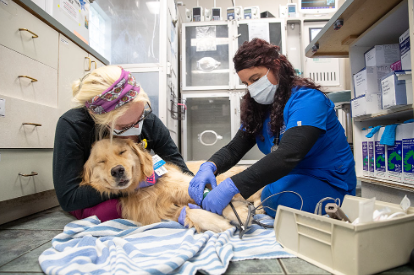
The donation process is simple and painless for the dog. Generally a small area on the neck is shaved to access the jugular vein, and a trained technician carefully draws blood, typically collecting about 450 milliliters, or about one pint. The procedure takes around ten to twenty minutes, and most dogs tolerate it well with minimal discomfort. Many programs offer treats, praise, and even donor perks like free health screenings to encourage participation.
A single donation can save up to three other dogs, as collected blood is separated into different components—red blood cells, plasma, and platelets—each of which can be used for different medical conditions. Given the frequency with which emergency transfusions are needed, a regular canine blood donor can make a profound impact on countless lives.
Some organizations, like the American College of Veterinary Emergency and Critical Care (ACVECC) Blood Bank Committee, provide information on donation programs nationwide. So I highly encourage Golden Retriever owners to consider enrolling in a blood donor program. Not only does it help save lives, but it gives a sense of purpose and generosity within the bond shared between owner and dog. If your Golden meets the criteria, consider becoming part of this lifesaving network. You never know when another dog might need the gift that only yours can provide.
This sentiment is shared within our own Evergreen Golden Retriever Club, where members consistently work to improve the lives of Goldens in our community. A recent highlight comes from Kelli Mayo and her dog Willow, who returned to the show ring after raising puppies and quickly earned the last few points needed to complete her Grand Championship. This accomplishment shows the dedication and perseverance of both dog and handler. Similarly, Susan Babich’s dog Dusty has brought pride to the club with his recent success, finishing his American Championship and continuing to spread joy wherever he goes.
Beyond the show ring, the EGRC community is always active in supporting canine health. An OFA eye clinic with Dr. Kice in February was one such opportunity for members to ensure their Goldens receive important health screenings.
Our Goldens give us so much, and through efforts like blood donation, responsible breeding, health screenings, and club involvement, we can give back in meaningful ways.


Comments